
Best 24.5 in Tires 2026: 6 Commercial Picks
For commercial trucks and trailers riding on 24.5-inch rims, the Goodyear Endurance LHS is the leading option for most operators due to its high load index and established brand reputation. This guide compares six listings from the current catalog, using only published specifications such as size, load index, and speed symbol. No tire was physically tested; prices are live and shown on the page.
6 picks from 6 tires that match this guide with a price we can quote today. The prices below are current and each carries its read time.
Quick picks
| # | Pick | Tire | Price |
|---|---|---|---|
| 1 | Best overall | GOODYEAR ENDURANCE LHS 285/75R24.5 147L | $878.30 price as of 2026-10-05 05:46 UTC (Details) |
| 2 | Best for maximum load | Ironman GEN2 I-61S 11R24.5 149/146 H Commercial Tire | $414.08 price as of 2026-10-05 05:52 UTC (Details) |
| 3 | Best for high-speed service | Sumitomo ST719 SE 285/75R24.5 H/16PLY Commercial Tire | |
| 4 | Best for regional haul | Yokohama RY023 285/75R24.5 144L G | |
| 5 | Best for tandem applications | Milestar SL277-S 285/75R24.5 147/144L Commercial Tire | $539.81 price as of 2026-10-05 06:01 UTC (Details) |
| 6 | Best for standard trailer loads | Milestar DR158 285/75R24.5 144/141L Commercial Tire | $545.11 price as of 2026-10-05 06:01 UTC (Details) |
The best fit for you
- For heavy-load operations: If your truck regularly carries maximum legal loads, select a tire with the highest load index, such as the Ironman GEN2 I-61S at 149/146. See pick 2
- For high-speed highway runs: When sustained Interstate speeds are common, the Sumitomo ST719 SE offers an H speed symbol and 16-ply construction for added resilience. See pick 3
- For dual-wheel axles: Trailers and trucks with twin rears need a tire with a dual load index, such as the Milestar SL277-S at 147/144. See pick 5
Our 6 picks
1 Best overall
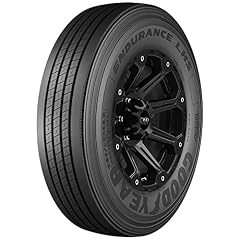
GOODYEAR ENDURANCE LHS 285/75R24.5 147L
- Vehicle
- Commercial truck
- Rim size
- 24.5 in
$878.30 price as of 2026-10-05 05:46 UTC (Details)
The Goodyear Endurance LHS offers a 147L load index, the highest single capacity in the metric group, and a widely used 285/75R24.5 size. Its trusted manufacturer and straightforward design make it a reliable choice for typical commercial routes.
Pros
- 147L load index ties for the highest single capacity in this group
- 285/75R24.5 size fits standard 24.5-inch metric rims
- Goodyear has a long history in commercial truck tires
Cons
- L speed symbol limits to 120 km/h, which may not suit all operations
- No dual load index provided for twin-mount axles
- Only basic specifications listed; tread depth and ply count are not stated
Good fit if
- Fleet operators running line-haul routes at typical highway speeds
- Single-axle trucks needing a dependable all-position tire
Skip if
- You operate at sustained speeds above 120 km/h
- Your axle setup requires a dual load index for twin wheels
Verdict: A well-balanced 24.5-inch tire for standard commercial loads.
2 Best for maximum load

Ironman GEN2 I-61S 11R24.5 149/146 H Commercial Tire
- Vehicle
- Commercial truck
- Rim size
- 24.5 in
$414.08 price as of 2026-10-05 05:52 UTC (Details)
With a 149/146 load index, the Ironman GEN2 supports the heaviest loads among all picks, both in single and dual configurations. Its 11R24.5 size is an imperial equivalent to the metric 285/75R24.5, though the section width is slightly different. The H speed symbol also allows faster travel than the L-rated alternatives.
Pros
- 149/146 load index is the highest in this selection
- H speed symbol permits speeds up to 210 km/h
- Dual load index is included for tandem axle use
Cons
- 11R24.5 size may not match every metric rim design
- Brand is less established than Goodyear or Yokohama
- Dual load index of 146 is lower than the single 149
Good fit if
- Operators needing maximum single-tire load capacity
- Trucks that run at higher speeds while loaded
Skip if
- Your rims are designed exclusively for 285/75R24.5 metric tires
- You require a load index exactly matching a chassis certification
Verdict: The go-to tire when payload is the top priority.
3 Best for high-speed service
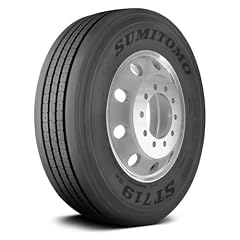
Sumitomo ST719 SE 285/75R24.5 H/16PLY Commercial Tire
- Vehicle
- Commercial truck
- Rim size
- 24.5 in
The Sumitomo ST719 SE carries an H speed symbol, one of only two H-rated tires here, and its 16-ply construction suggests added durability for sustained high-speed running. It uses the common 285/75R24.5 size, making fitment straightforward for many trailers and trucks.
Pros
- H speed symbol (210 km/h) supports fast highway travel
- 16-ply construction indicates a reinforced casing
- 285/75R24.5 metric size is widely used across commercial fleets
Cons
- Load index is not stated by the seller, making capacity verification harder
- Higher speed capability can reduce load capacity compared to L-symbol tires
- No dual load index is given for twin-wheel setups
Good fit if
- Operations on high-speed interstate corridors
- Fleets that need enhanced heat resistance at speed
Skip if
- You must confirm a precise load index for your axle weight calculation
- Your loads are heavy enough to require an L-symbol tire
Verdict: A fast and sturdy option for fleets that prioritize high legal speeds.
4 Best for regional haul
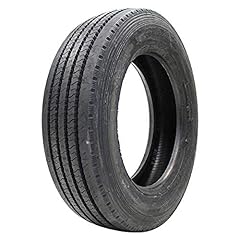
The Yokohama RY023 provides a 144L load index and the backing of a major Japanese manufacturer. Its 285/75R24.5 size is standard, and the L speed symbol matches typical regional distribution routes where top speed is less critical than consistent performance.
Pros
- 144L load index is adequate for many regional trailers
- Yokohama is an established tire maker with global commercial presence
- Metric size fits most standard 24.5-inch rims
Cons
- Load index is lower than the 147L options in this group
- L speed symbol limits to 120 km/h
- No dual load index is published for tandem axles
Good fit if
- Regional delivery trucks with typical payload weights
- Operators who value brand consistency and proven tire engineering
Skip if
- You need a higher load index for heavier cargo
- Your routes include sustained high-speed sections
Verdict: A dependable, mainstream choice for regional distribution.
5 Best for tandem applications

Milestar SL277-S 285/75R24.5 147/144L Commercial Tire
- Vehicle
- Commercial truck
- Rim size
- 24.5 in
$539.81 price as of 2026-10-05 06:01 UTC (Details)
The Milestar SL277-S offers a dual load index of 147/144, the highest among the metric tires here, making it a strong candidate for twin-wheel axles where the lower number must be considered. It shares the top single load index with the Goodyear, but adds the dual value that the Goodyear lacks.
Pros
- Dual load index of 147/144 covers twin-mount axles
- Single load index of 147 ties for the best in this group
- Metric 285/75R24.5 size fits common commercial rims
Cons
- L speed symbol limits to 120 km/h
- Brand is less established than Goodyear or Yokohama
- No H-speed version is available for faster operations
Good fit if
- Trucks with dual rear axles needing a matched tire
- Fleets that want a high load index in a metric size
Skip if
- You operate on single rear axles and prefer a simpler load index
- Your routes require speeds above 120 km/h
Verdict: The best option for twin-wheel rigs that need a strong dual load index.
6 Best for standard trailer loads
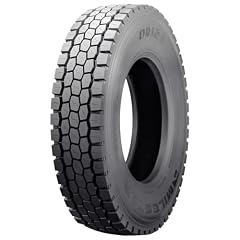
Milestar DR158 285/75R24.5 144/141L Commercial Tire
- Vehicle
- Commercial truck
- Rim size
- 24.5 in
$545.11 price as of 2026-10-05 06:01 UTC (Details)
The Milestar DR158 carries a 144/141 dual load index, which suits typical trailer and lighter commercial applications. Its 285/75R24.5 size and L speed symbol align with standard highway trailers without the extra cost or capacity of higher-index models.
Pros
- Dual load index of 144/141 provides flexibility for twin wheels
- 285/75R24.5 metric size is common on trailers
- L speed symbol is sufficient for legal highway speeds
Cons
- Load index is lower than the 147L options here
- L speed symbol limits to 120 km/h
- Brand is budget-oriented with a shorter track record
Good fit if
- Trailer fleets with standard cargo weights
- Operators looking for a straightforward all-purpose tire
Skip if
- You need the highest possible load capacity for heavy freight
- Your operation requires speeds above 120 km/h
Verdict: A practical, specification-appropriate tire for routine trailer service.
Specifications side by side
| # | Tire | Vehicle | Tread | Rim size | Tire size | Sold as |
|---|---|---|---|---|---|---|
| 1 | GOODYEAR ENDURANCE LHS 285/75R24.5 147L | Commercial truck | not stated | 24.5 in | not stated | not stated |
| 2 | Ironman GEN2 I-61S 11R24.5 149/146 H Commercial Tire | Commercial truck | not stated | 24.5 in | not stated | not stated |
| 3 | Sumitomo ST719 SE 285/75R24.5 H/16PLY Commercial Tire | Commercial truck | not stated | 24.5 in | not stated | not stated |
| 4 | Yokohama RY023 285/75R24.5 144L G | Commercial truck | not stated | 24.5 in | not stated | not stated |
| 5 | Milestar SL277-S 285/75R24.5 147/144L Commercial Tire | Commercial truck | not stated | 24.5 in | not stated | not stated |
| 6 | Milestar DR158 285/75R24.5 144/141L Commercial Tire | Commercial truck | not stated | 24.5 in | not stated | not stated |
How the picks were chosen
We started with a pool of six commercial tires in the 24.5-inch rim size from our catalog. Each listing was examined for its stated size designation, load index, speed symbol, and construction details as given in the product name and basic specifications. Since the pool is small, we included every available option and then ranked them by load capacity, speed capability, dual-wheel suitability, and brand presence. Prices are pulled live from the store listing at page load; we have not tested any tire. All technical details come from the seller's published information.
Picking the right one for you
Understand the load index
The load index is a standardized number that specifies the maximum weight a tire can carry at a given inflation pressure. For example, a load index of 147 corresponds to a capacity of 3,075 kg (6,780 lb) at the published pressure. When a tire shows two numbers like 149/146, the first is for single-wheel mounting and the second for dual (twin) mounting. The sum of the tire capacities on an axle must be at least equal to the vehicle's gross axle weight limit, as required under 49 CFR 571.120 for heavy vehicles.
Match the speed symbol to your routes
Speed symbols indicate the maximum speed at which a tire can carry its load. Commercial truck tires commonly use L (120 km/h) or H (210 km/h). If your fleet runs on high-speed highways for long distances, an H-symbol tire like the Sumitomo ST719 SE is designed for that duty. For regional routes with normal highway limits, an L-symbol tire is sufficient and may offer a higher load capacity. Check the speed symbol on the tire sidewall, which is part of the size designation, and verify that it meets your operational needs.
Choose the right size for your rims
All tires in this guide fit 24.5-inch rims, but there are two sizing conventions: the imperial 11R24.5 and the metric 285/75R24.5. The 11R24.5 has a section width of about 11 inches (279 mm), while the metric version is 285 mm wide with a 75 aspect ratio. These sizes are similar but not identical; your rim width and vehicle clearance determine which is correct. Always consult the tire and rim matching information required under 49 CFR 571.119, which lists approved rims for each tire size.
Consider dual wheel applications
Many trailers and heavy trucks use twin tires on each side of an axle. For those setups, you need a tire with a dual load index, such as the Milestar SL277-S (147/144) or the Ironman GEN2 (149/146). The lower of the two numbers is the load limit when mounted in pairs, because each tire shares the load unevenly. Make sure the dual capacity of both tires together meets the GAWR of the axle. Tires without a dual load index may still be used if your vehicle has single wheels, but never guess when calculating axle capacity.
Check construction and ply count
Commercial tires are built with different numbers of plies, which influence the tire's structural strength. The Sumitomo ST719 SE notes a 16-ply construction, indicating a reinforced casing designed for heavy service. Other tires may have fewer plies, which are suitable for lighter loads. The ply count is not always stated in the product name, so check the tire sidewall or the seller's detailed specifications. U.S. standards (49 CFR 571.119) require tires for vehicles over 10,000 pounds GVWR to pass endurance, strength, and high-speed tests based on their construction.
Verify compliance and registration
All new tires sold in the U.S. must meet Federal Motor Vehicle Safety Standards, including 49 CFR 571.119 for heavy vehicles. Check that the tire bears a DOT symbol and a valid tire identification number, as required by 49 CFR Part 574. This number identifies the plant and date of manufacture, useful for warranty and recall purposes. Additionally, the Uniform Tire Quality Grading standards (49 CFR 575.104) apply to passenger car tires, but not to truck tires over 10,000 pounds GVWR, so do not expect treadwear or traction grades on these commercial models.
Questions
What does the load index number mean on a 24.5-inch truck tire?
The load index is a standardized number that corresponds to a specific maximum load weight. For example, 147 translates to 3,075 kg (6,780 lb) per tire at the published inflation pressure. Two numbers, like 149/146, indicate the load capacity for single and dual (twin) mounting respectively. You must ensure the combined capacities of all tires on an axle meet the vehicle's GAWR as specified in 49 CFR 571.120.
Are 11R24.5 and 285/75R24.5 tires interchangeable?
These sizes are close but not identical. 11R24.5 has a nominal section width of 11 inches (279 mm), while 285/75R24.5 is 285 mm wide with an aspect ratio of 75%. They both fit 24.5-inch rims, but the rim width and vehicle clearance must be verified. The manufacturer's rim matching information, required under 49 CFR 571.119, determines approved rim widths for each tire size. Always consult that list before mounting.
Why is a speed symbol important for commercial tires?
The speed symbol indicates the maximum speed at which the tire can carry its load. L-symbol tires are limited to 120 km/h (74 mph), while H-symbol tires can go up to 210 km/h (130 mph). Using a tire at speeds above its symbol can cause overheating and failure. For highway operations that regularly exceed 75 mph, choose an H-symbol tire like the Sumitomo ST719 SE to ensure safety and performance.
Do these tires require special rims or valves?
24.5-inch tires are designed for rims with a 24.5-inch bead seat diameter. The rim width must match the tire's section width; for 285/75R24.5, typical rim widths range from 8.25 to 9.00 inches. Always use the rim sizes listed by the tire manufacturer in their fitment data, as required by FMVSS 119. Also, use the appropriate tubeless valves designed for your inflation pressure, and ensure the rim is in good condition without corrosion or damage.
How should I maintain proper inflation pressure?
Proper inflation is critical for tire life and safety. Check pressure when tires are cold, using the vehicle manufacturer's recommended pressure or the pressure marked on the tire sidewall (not the maximum). Under-inflated tires can reduce fuel economy by up to 3% and increase wear. For vehicles with TPMS, ensure the system is functioning; however, many heavy trucks rely on manual gauges. Refer to FuelEconomy.gov for tips on maintaining tire pressure to improve fuel efficiency.
Revision notes
- : First published.